UDI-first catalog intelligence
Product records connect names, identifiers, IFU references, lot expectations, and purchasing notes so multi-site clinics can compare items without relying on informal spreadsheets.
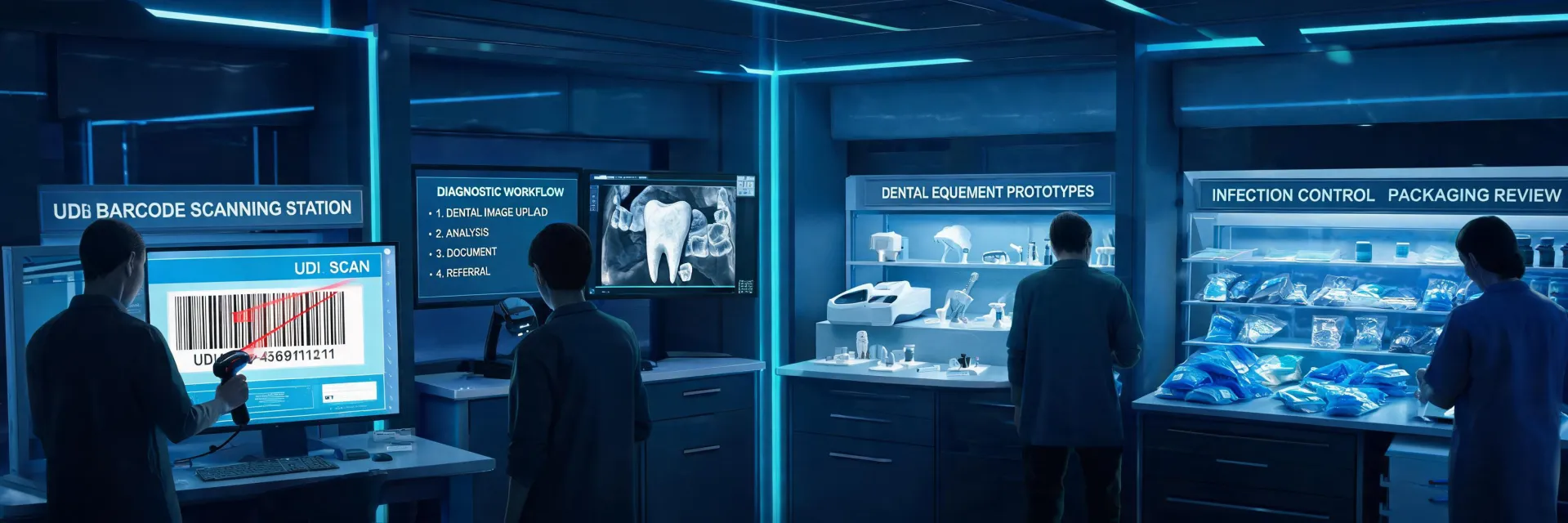
Henry Schein's innovation story for this site centers on practical digital enablement: product identification, documentation routing, service escalation, training support, and procurement analytics for dental and medical supply buyers.
Each workstream is designed to reduce ambiguity for buyers rather than add another abstract technology layer. The output should be a clearer purchase, cleaner documentation, and faster support routing.
Product records connect names, identifiers, IFU references, lot expectations, and purchasing notes so multi-site clinics can compare items without relying on informal spreadsheets.
Operatory equipment, imaging, sterilization, and service assumptions can be modeled by site count, room type, and expected utilization before a buyer requests a quote.
IVD and point-of-care products are organized with CLIA context, storage assumptions, lot controls, and quality-control prompts for laboratory buyers.
Gloves, masks, sterilization pouches, disinfectant wipes, and related supplies can be planned around par levels, emergency stock, and approved substitution rules.
A pilot begins with one clinical setting and a small number of product families. The team defines the purchasing question, gathers regulated documentation, maps support ownership, and prepares a review packet. A successful pilot does not promise clinical outcomes. It proves that the purchasing workflow is clearer, the records are easier to retrieve, and the service path is easier for staff to use.
Document site count, care setting, catalog needs, contract constraints, and current pain points.
Attach product identifiers, IFU links, UDI assumptions, lot controls, and support contacts.
Compare replenishment, service, documentation, and training workflows before rollout.
Deliver a category-specific packet with review notes for procurement, clinical, and operations teams.
Innovation language in healthcare must remain disciplined. This lab does not make absolute performance promises or universal suitability claims. It describes 510(k) products as FDA cleared when that pathway applies. It does not use hospital names as testimonials. It focuses on traceability, documentation clarity, service routing, and procurement readiness. That makes the content credible for value analysis committees and useful for the staff who must operate the workflow after purchase.
Schedule a Pilot